

the space between
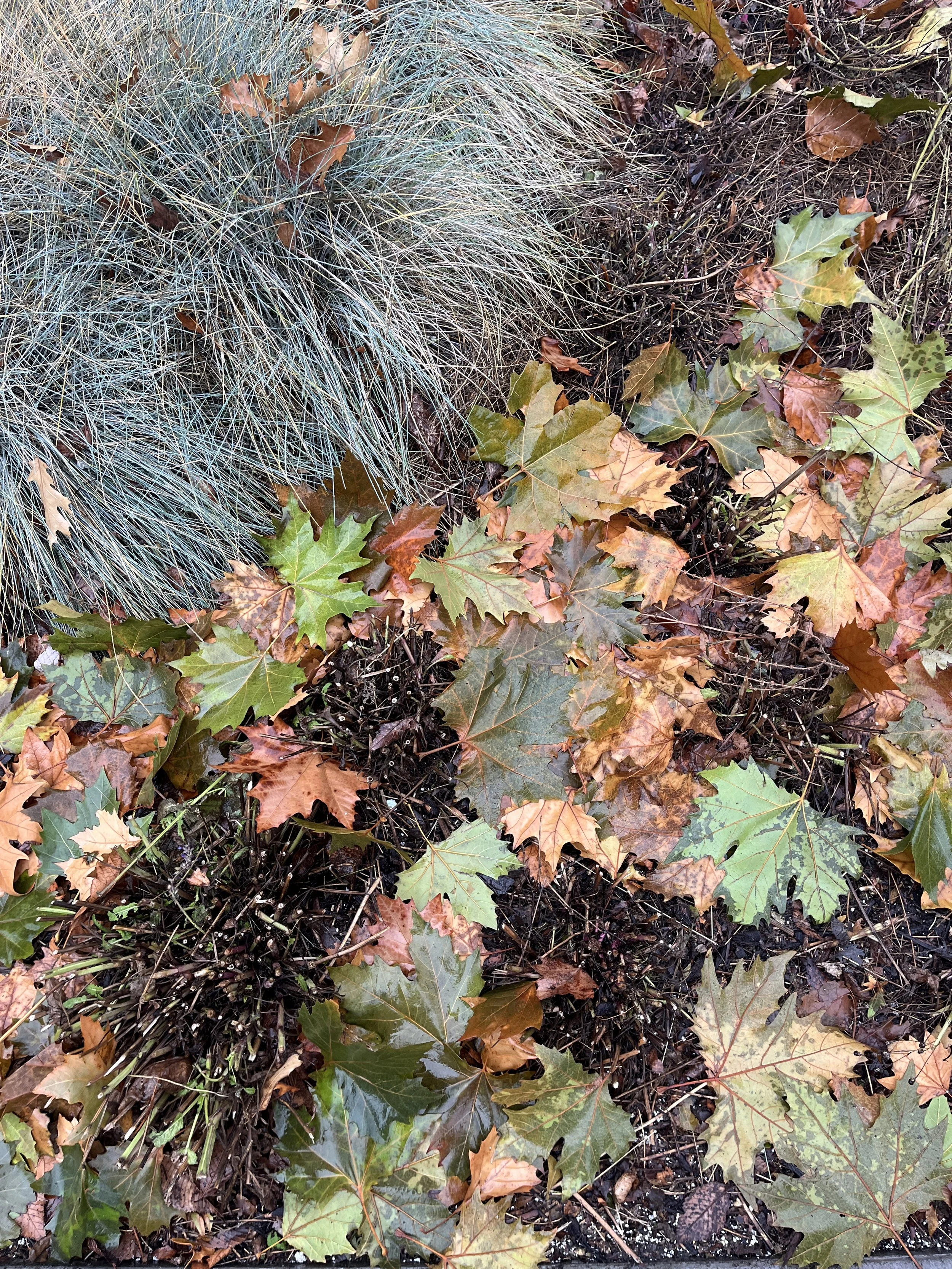
Winter in downtown Boise
As we move into a new year, I’ve been thinking about how much of life is shaped not by dramatic turning points, but by the accumulation of everyday decisions. Most of the time, we are not standing at a single defining crossroads. Instead, we are navigating hundreds of moments in which we decide how to respond, how to participate, how to understand, and how to relate to our own lives. These choices may appear subtle and easily overlooked while they are happening, yet over time they form direction and identity.
The only certainty I can see for 2026 is that each of us will make what feels like an endless number of choices. Some will be significant, while many will unfold in ways only we can see. No matter the subject, we are constantly deciding what to tend, what to tolerate, what to release, and what to risk.
Because of that, I’ve been reflecting on what it means to choose in a way that I can live with.
There is a passage from Viktor Frankl that has remained a guiding idea for me:
“Between stimulus and response there is a space.
In that space is our power to choose our response.
In our response lies our growth and our freedom.”
Frankl wrote from within circumstances where nearly everything had been taken from him. He describes the realization that even in conditions of extreme deprivation, one freedom remained: the ability to choose one’s attitude toward a situation. He wrote, “Everything can be taken from a man but one thing: the last of the human freedoms — to choose one’s attitude in any given set of circumstances, to choose one’s own way.”
His point was not that suffering is insignificant or that choice erases hardship. Instead, he argued that meaning is created in the way we meet what happens to us. Our lives are not shaped only by events themselves, but by how we respond to them.
Frankl reminds us that the question is not always what we can extract from life, but what life is asking of us in a given moment. Even when circumstances constrain us, the ability to choose how we meet them remains a source of dignity and meaning.
For me, yoga has always been a practice of noticing these decision points. On the mat, I encounter constant micro-moments of agency: whether to push or to back off, whether to remain in a position or to adjust, whether to obey habit or to listen to the body as it is today. Over time, alignment begins to feel less like arranging bones and muscles and more like choosing from awareness rather than autopilot.
This kind of conscious choice becomes harder to access when our energy is low, which is why this time of year feels especially worth examining. Culturally, January is framed as a time for rapid reinvention. We are encouraged to announce ambitious resolutions and commit to sweeping change through effort and discipline.
However, many January “resolutions” arise from pressure, unease, or dissatisfaction rather than clarity. They are often formed before we have had time to understand what our lives are actually asking of us. In that state, decisions tend to come from urgency rather than discernment.
It is worth remembering that the tradition of marking renewal in mid-winter is relatively modern and seasonally confusing. For much of human history, commitments and reconsecrations were aligned with the rhythms of the land. In ancient Babylonia, year-marking rituals and vows were made in tune with the spring equinox, when crops were planted, waters receded, and the agricultural cycle began again. Resolutions were tied to reciprocity with the land, to the moment when light returned and the world was waking up.
Renewal and change were not timed to scarcity. They were timed to the return of resource.
The calendar we use now places the pressure to change at the coldest and darkest point of the year, a time when most bodies and minds lack the resources to support personal transformation. It places the demand for change when both nature and the human nervous system are oriented toward conservation rather than expansion.
Winter is a season of consolidation. Systems prioritize stability over growth. This is simple seasonal physiology, not a flaw in willpower. When our internal resources are limited, our decision-making ability contracts, and we begin choosing from fatigue rather than steadiness.
Because of that, I’m treating January as a season for noticing. This period allows me to observe the choices I’m already making. It invites me to notice where I say yes out of habit, where I say no out of fear, where I drift away from myself in small and repeated ways, and where there is ease in acting in alignment with my values.
The goal is not immediate transformation. The goal is understanding, so that when energy returns, momentum is sustainable and my choices are rooted in honesty.
Historically and seasonally, spring has been associated with emergence and meaningful change. If we think of choice as a seed, spring offers conditions in which that seed can take hold. It makes sense that traditions of renewal have long belonged to that season, when life itself is turning outward again.
If there is one hope I hold for the coming year, it is not that we make perfect or impressive choices. It is that we make conscious ones, choices that reflect our values, our limits, our contexts, and our commitments.
This winter, I am practicing paying attention to the choices I am already making and to the ways they shape my days. I am allowing this season to serve as a period of reflection rather than forced reinvention. And when spring arrives, and the conditions for change return, I intend to act from clarity rather than compulsion, trusting that meaning grows through the responses I choose again and again.